How Heat Recovery Ventilation Improves Indoor Air Top Quality and Reduces Power Expenses
Heat Recovery Ventilation (HRV) systems play an essential duty in enhancing interior air quality while simultaneously lowering energy expenditures. By successfully trading stagnant indoor air with fresh outdoor air, HRVs aid maintain ideal humidity and minimize pollutants. Additionally, their ability to recover warm from outgoing air lessens the pressure on home heating and cooling systems. As energy expenses proceed to rise, comprehending the complete potential of HRV systems becomes significantly important for homeowners and companies alike.
Recognizing Heat Recovery Ventilation Systems

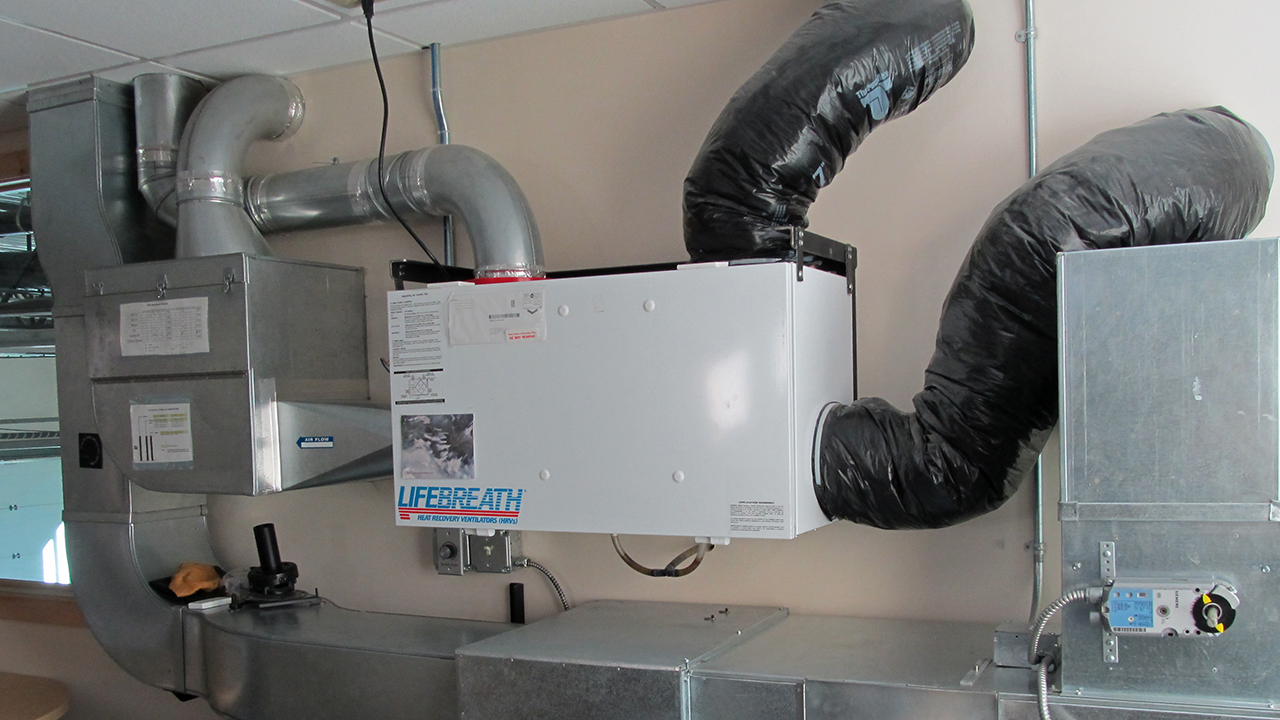
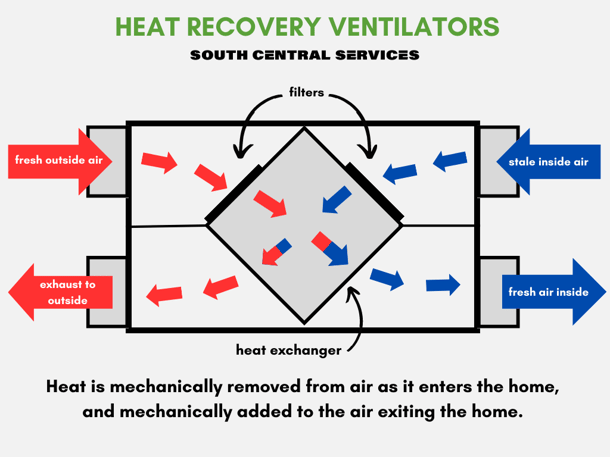
Heat recovery ventilation (HRV) systems play a vital role in boosting indoor air quality, specifically in modern, energy-efficient structures. These systems are designed to transfer warm from the outward bound stagnant air to the incoming fresh air, thereby decreasing power loss while maintaining excellent temperature degrees inside your home. HRVs include a warm exchanger, fans, and ductwork, helping with the continuous blood circulation of air. By eliminating indoor pollutants and introducing fresh air, HRVs aid to balance humidity levels, avoid mold growth, and minimize allergens. The effectiveness of HRV systems copyrights on their capacity to recuperate up to 80% of the heat from the tired air, advertising power conservation while guaranteeing a healthy interior environment. Their combination is vital in achieving lasting living techniques.
The Significance of Indoor Air Top Quality
Indoor air quality (IAQ) is a crucial aspect affecting the health and wellness and wellness of residents in any setting. Poor IAQ can cause numerous health problems, including breathing problems, allergies, and tiredness. Furthermore, it can aggravate status quo such as bronchial asthma. Variables adding to reduced IAQ include toxins from indoor resources like cleaning agents, mold and mildew, and inadequate air flow. Preserving good IAQ is vital for advertising a risk-free and comfy living or working area. Reliable techniques to improve IAQ entail normal surveillance of air top quality, correct ventilation systems, and decreasing making use of dangerous materials indoors. By focusing on IAQ, individuals can guarantee a much healthier atmosphere that cultivates productivity and total high quality of life.
Power Efficiency Perks of HRV Systems
Numerous property owners and building supervisors are increasingly acknowledging the power efficiency benefits of warmth recovery air flow (HRV) systems. By moving warm from exhausted interior air to inbound fresh air, HRV systems noticeably decrease the energy required for heating & cooling. This procedure lessens reliance on typical cooling and heating systems, resulting in lower power expenses. In addition, HRVs help keep a balanced indoor environment, avoiding extreme home heating or cooling needs. The capacity to recuperate approximately 90% of the warm from outward bound air also sustains sustainability efforts by decreasing overall energy consumption. read As a result, HRV systems contribute not only to cost financial savings however also to a decreased carbon footprint, aligning with the growing emphasis on energy-efficient structure techniques.
Setup and Upkeep Considerations
The effective implementation of warmth healing ventilation (HRV) systems needs mindful consideration of setup and maintenance factors to go to my blog ensure peak performance. Correct positioning of the HRV system is vital, as it needs to be set up in a place that takes full advantage of air flow while minimizing sound disturbance. Furthermore, ductwork has to be suitably sized and insulated to avoid power loss. Regular upkeep, consisting of filter replacement and system cleaning, is important to protect optimum capability and indoor air top quality. Owners should establish a routine upkeep timetable to identify and attend to possible issues prior to they escalate. Cooperation with skilled professionals throughout both installation and maintenance phases can enhance the longevity and effectiveness of HRV systems, eventually leading to much better indoor environments and decreased power expenses.
Real-World Applications and Success Stories
Checking out real-world applications of warm healing air flow (HRV) systems exposes their significant influence on interior air top quality and energy efficiency throughout various setups. In property buildings, home owners have reported improved air quality, resulting in fewer allergies and respiratory system concerns. Schools executing HRV systems have actually noted enhanced trainee concentration and decreased absence due to better air flow. Business buildings, such as workplaces and retail areas, have experienced reduced power prices and boosted staff member performance. A business workplace in a temperate environment achieved a 30% reduction in energy expenses after installing an HRV system. These success tales show that HRV innovation not just contributes to healthier atmospheres yet additionally gives tangible financial benefits, making it a beneficial investment for various markets.
Frequently Asked Questions
Can HRV Equipments Reduce Irritants in Indoor Air?
The performance of HRV systems in decreasing indoor irritants mostly pivots on their ability to filter and exchange air. HRV Heat Recovery Ventilation. By constantly changing stagnant air, these systems can greatly reduce irritant degrees throughout indoor atmospheres
Exactly How Does Humidity Affect HRV System Efficiency?
Moisture greatly influences HRV system efficiency; high degrees can lead to condensation, decreasing effectiveness, while low humidity may enhance air exchange. Stabilizing humidity is vital for perfect procedure and keeping interior air high quality.
Are HRV Solutions Noisy During Procedure?
HRV systems can produce differing sound levels throughout operation, relying on their design and setup. Some units operate silently, while others may generate recognizable find this sound, especially at higher air movement settings or when inadequately preserved.
What Is the Typical Life-span of an HRV System?
Can HRV Solutions Be Used in All Environments?
HRV systems can be utilized in different climates, yet their effectiveness may differ - HRV Heat Recovery Ventilation. In severe temperatures, changes or additional systems may be necessary to ensure optimal efficiency and comfort while keeping indoor air quality